Concrete Repair & Replacement
Cracked, sunken, or damaged concrete doesn't always need full replacement. We repair what we can and replace what we must.
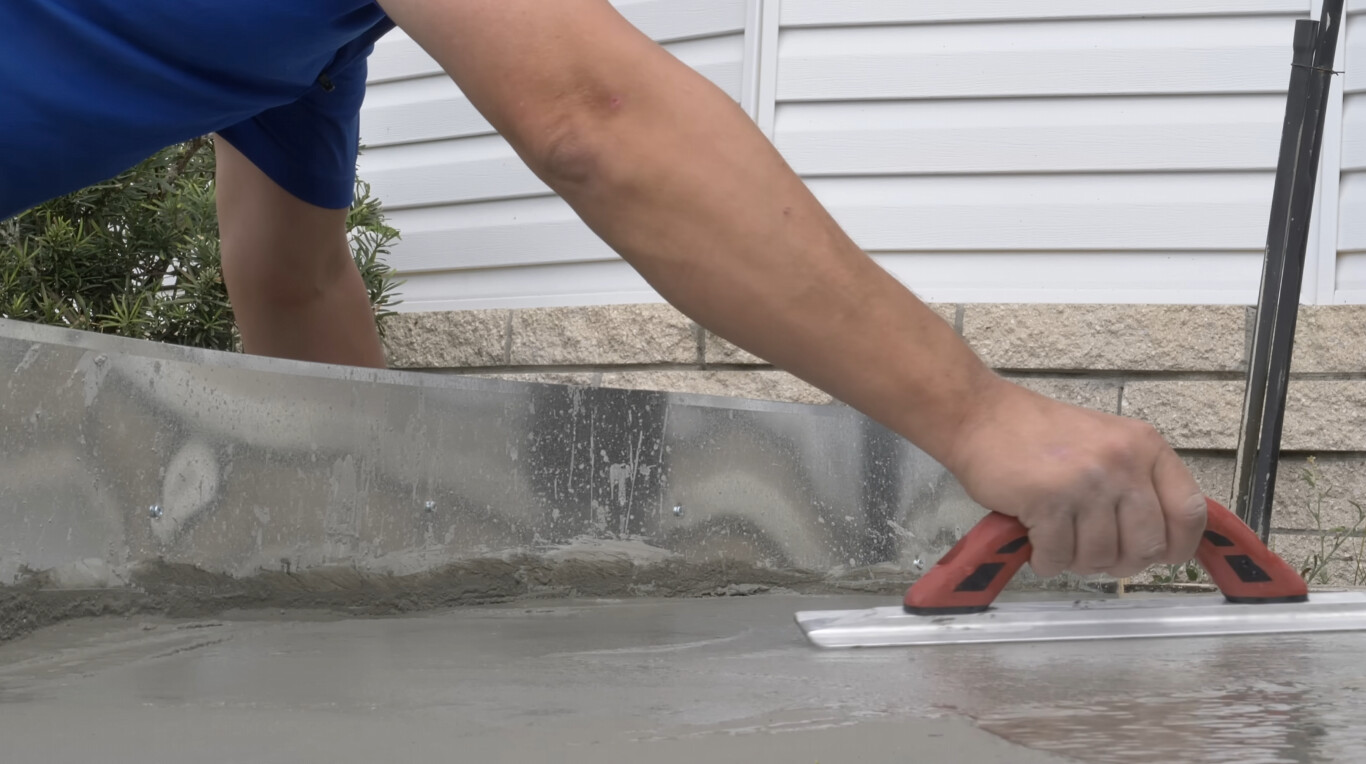
Repair or Replace? Here's How to Decide
Not every concrete problem requires a complete tear-out and replacement. Many issues can be fixed with targeted repairs that cost far less. At AVD Arlington Concrete, we give you an honest assessment of what makes sense for your situation and budget.
The decision comes down to the extent of damage, the age of the concrete, and how much more life you can realistically get from repairs. We look at cracking patterns, surface condition, settling, and structural integrity. Sometimes a simple fix adds years of service. Other times, replacement is the smarter long-term investment.
Good Candidates for Repair
- Isolated cracks less than 1/4 inch wide
- Minor surface spalling or chipping
- Small sunken sections that can be lifted (mudjacking)
- Concrete less than 15 years old with good overall condition
- Damage affecting less than 30% of the surface
- Cosmetic issues that don't affect structure
Signs You Need Replacement
- Widespread cracking throughout the surface
- Significant settling or heaving (more than 2 inches)
- Deep spalling that exposes reinforcement
- Concrete older than 25-30 years with multiple issues
- Drainage problems causing ongoing damage
- Structural damage to edges or joints
Our Concrete Repair Services
We use proven techniques to fix common concrete problems. The right repair method depends on what's causing the damage and what you need the concrete to do.
Crack Repair and Sealing
Small cracks get cleaned, routed, and filled with flexible polyurethane or epoxy compounds. This prevents water intrusion and stops cracks from growing. For active cracks that continue to move, we use flexible sealants that accommodate movement. Surface cracks in driveways and patios often respond well to this treatment.
Slab Lifting and Leveling
When concrete sinks due to soil erosion underneath, we can often lift it back to level. Polyurethane foam injection (polyjacking) is precise and less invasive than replacement. It stabilizes the soil and raises the slab in a matter of hours. This works great for sunken sidewalks, porch steps, and driveway sections.
Surface Restoration
Spalled or pitted surfaces can be resurfaced with concrete overlays or micro-toppings. We grind down rough areas, apply bonding agents, and pour a thin new surface layer. This technique works for garage floors, basement floors, and patios with surface damage but solid structural condition underneath.
Partial Replacement
Sometimes only a section of your concrete is damaged beyond repair. We can remove and replace individual panels or sections, matching the height and finish of existing concrete. This costs less than full replacement and minimizes disruption to your property.
Complete Concrete Replacement
When replacement makes more sense than repair, we handle the entire process from demolition through final finishing. You'll get a fresh start with new concrete built to last another 30+ years.
We remove the old concrete, address any underlying drainage or soil issues, and install a properly prepared base. The new pour follows current best practices with adequate thickness, steel reinforcement, and control joints. You can choose updated finishes like stamped patterns or colored concrete if you want to upgrade the appearance.
Replacement projects include driveway replacement, patios, sidewalks, garage floors, and more. We coordinate everything so you're back to normal as quickly as possible. Most residential replacement projects complete in 2 to 5 days depending on size and scope.
Preventing Future Concrete Damage
Once we fix or replace your concrete, you want it to stay in good condition. Here are simple steps to extend the life of your concrete surfaces.
Maintain proper drainage. Water is concrete's worst enemy. Keep gutters clean and ensure downspouts direct water away from concrete surfaces. Fill any low spots where water pools.
Seal the surface. Apply a quality concrete sealer every few years to protect against water penetration and freeze-thaw damage. This is especially important for driveways and exposed patios.
Avoid deicing salts. Salt accelerates concrete deterioration and spalling. Use sand for traction instead, or choose calcium magnesium acetate if you must use something to melt ice.
Address cracks quickly. Small cracks turn into big problems when water gets in and freezes. Seal cracks as soon as you notice them, before they spread.
Clean regularly. Remove oil stains, leaves, and debris. Pressure wash occasionally to remove dirt buildup. Clean concrete lasts longer and looks better.
Concrete Repair FAQs
Dealing with damaged concrete? Get a free repair assessment today.
(703) 952-9889